
Base Layer: Stay Comfortable
Your first layer sits next to your skin. Look for comfortable materials that help manage moisture, especially when you're active outdoors.
Stay warm, stay comfortable and make the most of your winter clothing budget.
From everyday layers to insulated outerwear, learn how to build a practical winter wardrobe with clothing that works together for chilly errands, outdoor chores and colder days.
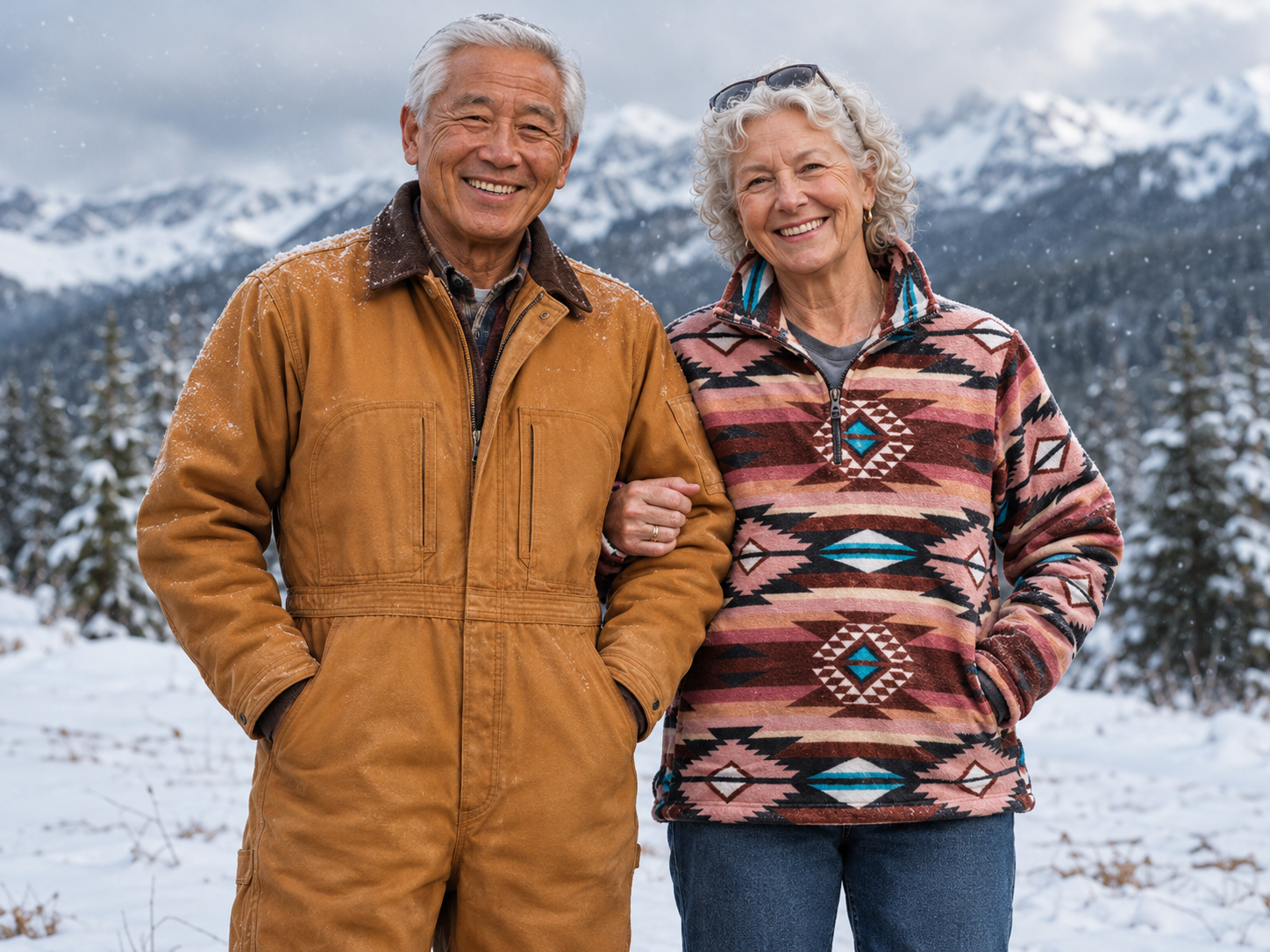
Dressing in layers helps you adjust to changing temperatures and activity levels without relying on one heavy garment.
Your first layer sits next to your skin. Look for comfortable materials that help manage moisture, especially when you're active outdoors.
A fleece, sweater or other insulating layer helps hold body heat. Choose a fit that works comfortably beneath your outerwear.
Your outermost garment helps protect you from the weather. Consider insulation, closures, coverage and documented wind or water protection.
The best winter clothing isn't necessarily the bulkiest or most expensive. Focus on the details that affect comfort, warmth, fit and everyday use.
Compare lining, insulation and garment coverage. Consider how long you'll be outside and how active you'll be.
Check whether the clothing is described as wind-resistant, water-resistant or waterproof. Each offers different protection.
Winter clothing should allow you to bend, reach and walk comfortably, even when wearing additional layers.
Consider garment length, cuffs, collars, pockets and closures. These details can make a difference during daily wear.
Review material composition and washing instructions. Choose pieces you can maintain and wear throughout the season.
Compare the actual selling price, useful features and how often you'll wear the garment. Versatile clothing can stretch your wardrobe budget.
Compare these eight selected winter clothing items. Choose the ones that suit your routine, then review their features, available sizes and current prices. Select a product photo or button to explore it.
Insulated coveralls provide an option for shoppers looking for full-body coverage while working outdoors in cold weather.
Coveralls can be a practical alternative to separate jacket and pants combinations when outdoor chores call for more continuous coverage against the cold.
Explore this selected winter clothing item and its available sizing, materials and colors.
The right winter clothing should suit your daily activities. Compare how this item fits, moves and works with clothing you already own.
Review this winter clothing selection and consider how its fit and features work with your existing wardrobe.
Think about how this item works with your base layers, sweaters and outerwear. Clothing that fits together offers more flexibility as temperatures change.
Consider this selected item when planning comfortable clothing for cooler weather and daily use.
Clothing earns its place in a wardrobe when you enjoy wearing it. Consider the fabric feel, cut, movement and whether the style fits your routine.
Explore this winter apparel selection and compare its materials, sizing and available options.
A useful wardrobe addition should complement pieces you already have. Consider whether its style, colors and fit work with your regular outfits.
Complete your comparison with this selected winter clothing item and review how it fits your needs.
Value is about more than price. Consider how often you'll wear this item and how well it meets your needs compared with clothing you already own.
Take a closer look at this selected cold-weather clothing item and compare its construction, available options and intended everyday use.
When choosing another winter garment, look for a piece that fills a gap in your current wardrobe. Consider where you'll wear it and whether its fit suits your everyday activities.
Explore this additional winter wardrobe selection and compare its features, available sizes and suitability for your cold-weather routine.
Different winter activities call for different clothing. Consider whether this item fills a need for everyday wear, outdoor time or another part of your seasonal wardrobe.
Compare all eight selected products. Select any product name to open its corresponding Heartland America listing.
| Product | What to Consider |
|---|---|
| Axcent Insulated Coveralls | Full-body coverage, insulation, fit and outdoor mobility |
| Product P93782 | Everyday fit, sizing and intended use |
| Product P93783 | Layering compatibility, fabric and fit |
| Product 68151 | Comfort, construction and daily wear |
| Product P93589 | Versatility, colors and styling |
| Product P93340 | Price, materials and everyday value |
| Product P97591 | Garment construction, sizing, purpose and compatibility |
| Product P90934 | Features, fit, available options and cold-weather use |
Keep your winter clothing priorities organized with this printable checklist.
Comfortable Layers. Practical Choices. Great Value.
Shopping For:
My Clothing Budget:
Clothing Ideas and Notes:
Heartland America • Helpful Guides
Find answers about warmth, layering, sizing, fabrics and caring for winter clothing.
Choose a moisture-managing base layer, an insulating middle layer and outerwear appropriate for wind and precipitation. Protect exposed skin with suitable headwear, gloves and footwear.
Not necessarily. Layers offer flexibility as temperatures and activity levels change. Suitable outerwear remains important for wind and wet-weather protection.
Winter clothing should allow comfortable movement and leave room for additional layers. Avoid tight garments that compress insulation and review the size chart.
Wool and certain synthetic fabrics are commonly used because they help manage moisture. Choose based on activity, comfort and care preferences.
Fleece can be a useful insulating middle layer. It helps retain warmth and can be worn beneath suitable outerwear.
Water-resistant clothing offers limited resistance to moisture. Waterproof clothing is intended to prevent water penetration under specified conditions.
Insulated coveralls can suit outdoor chores when full-body coverage is desired. Check fit, insulation, closures and freedom of movement.
Yes. Too many bulky layers can restrict movement, compress insulation and cause overheating during activity. Adjust clothing as needed.
No. Insulation, construction, fit, airflow and moisture all affect warmth. Thickness alone doesn't establish cold-weather performance.
Choose clothing suited to the temperature, wind and moisture conditions. Consider comfortable layers, secure closures and freedom of movement.
Follow the garment's care label. Different fabrics and insulation types may require different washing and drying methods.
Start with clothing you already own, identify missing layers and prioritize versatile pieces. Compare fit, materials, useful features and current prices.
Explore additional information about winter layering, clothing choices and cold-weather safety from independent educational resources.
Learn about layering, staying dry and protecting exposed skin during cold weather.
Read CDC Winter Weather GuidanceUnderstand dressing in layers, limiting exposed skin and protecting yourself during extreme cold.
Read Cold Weather Safety TipsExplore the three-layer clothing approach and learn about base, middle and outer layers.
Read the Layering GuideFind comfortable layers, practical cold-weather outerwear and everyday value at Heartland America.