
Work Surface
A stable place for measuring, assembly, repair and clamping.
Build around the jobs you really do. Find useful workshop tools, compare options and create a personalized setup checklist without filling your garage with equipment you rarely use.
Whether you are assembling furniture, repairing things around the house, painting, cleaning up or maintaining your property, the best workshop starts with the problems you solve most often.
A practical workshop usually starts with a stable work surface, a versatile drill or driver, good task lighting, cleanup equipment and organized storage.
After that, add specialized equipment only when a recurring project gives you a clear reason to own it. The most useful workshop is not the one with the most tools. It is the one that makes your regular jobs easier to start and finish.
Choose the job that sounds most like your next project. We will point you toward the type of workshop tool that deserves your attention first.
Select as many attributes as apply. The guide compares those priorities against the featured workshop products and recommends the strongest overall match.
Think in terms of capabilities rather than individual products. These six areas cover many of the recurring problems a homeowner encounters in a garage or workshop.
A stable place for measuring, assembly, repair and clamping.
Useful for many common household installation and repair tasks.
Bring light close to the project instead of relying only on ceiling fixtures.
Keep the workspace easier to use between projects.
Add specialized equipment when painting or refinishing becomes recurring work.
Outdoor tools may belong in the garage if yard work is a regular responsibility.
These products are not ranked from best to worst. Each solves a different workshop problem. Start with the job you need to do, then decide whether the tool earns space in your garage.
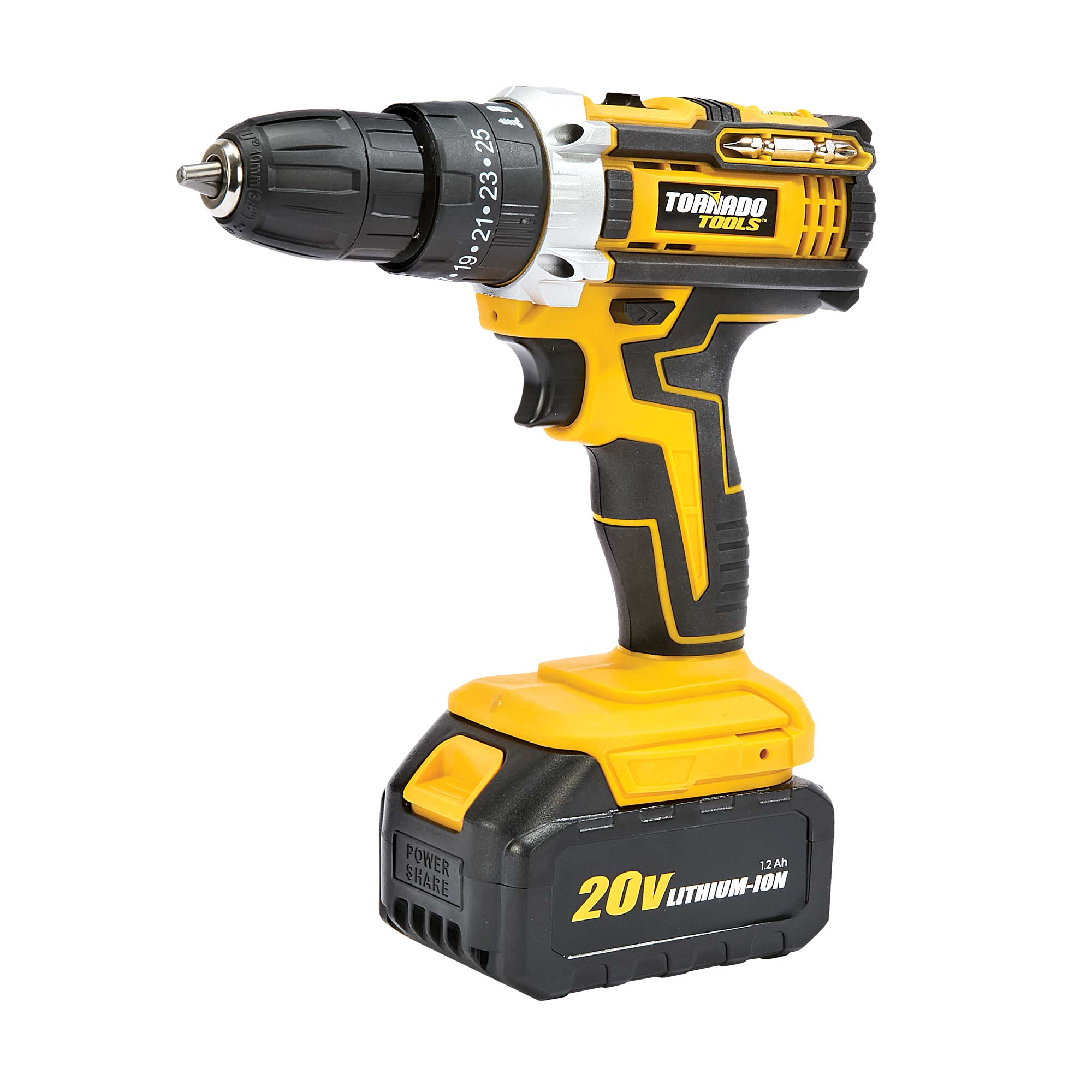
A practical starting point for homeowners who regularly hang, assemble, install or repair things.

Useful when you regularly need a stable surface for project, repair, clamping or fabrication work.
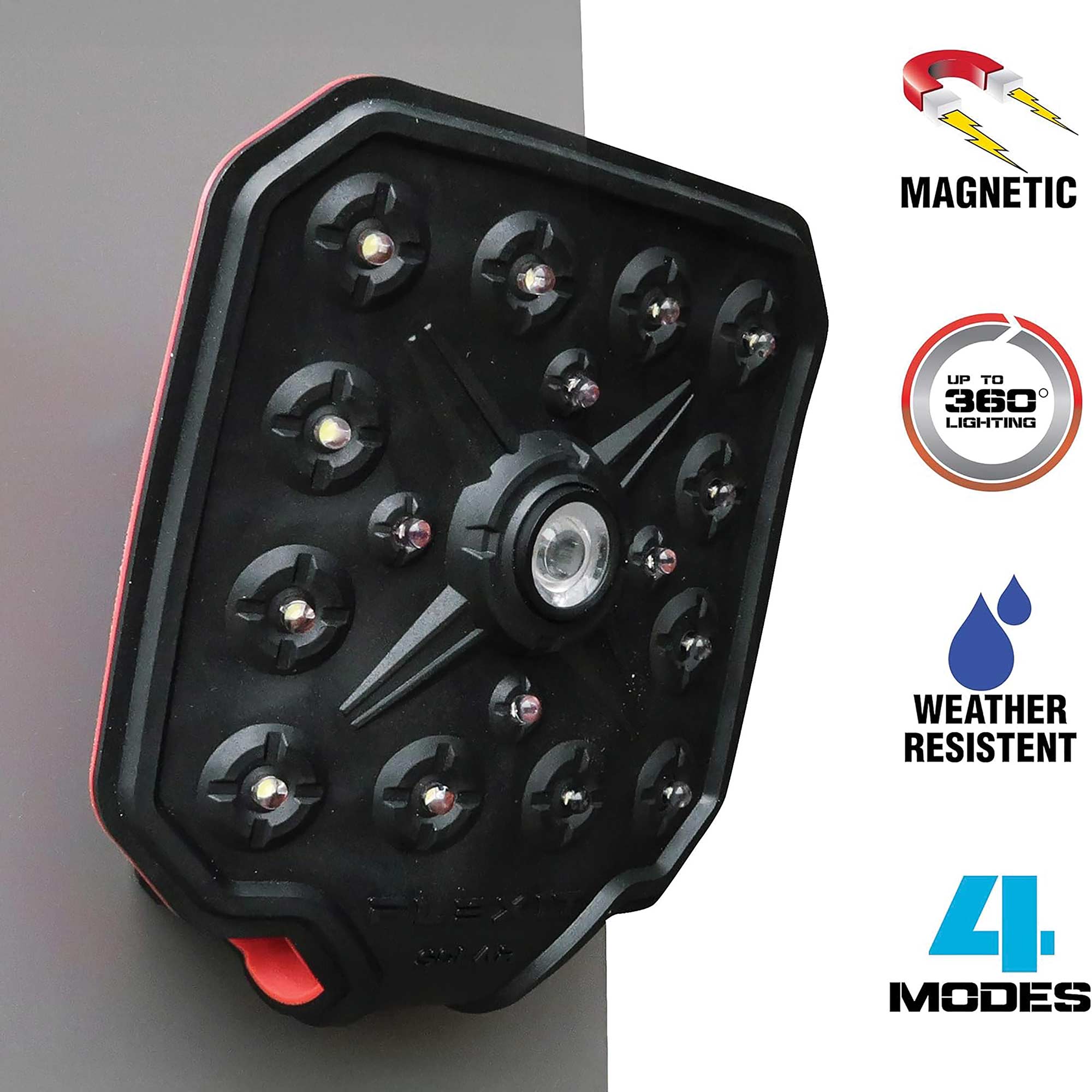
Portable lighting for benches, vehicles and hard-to-light work areas.
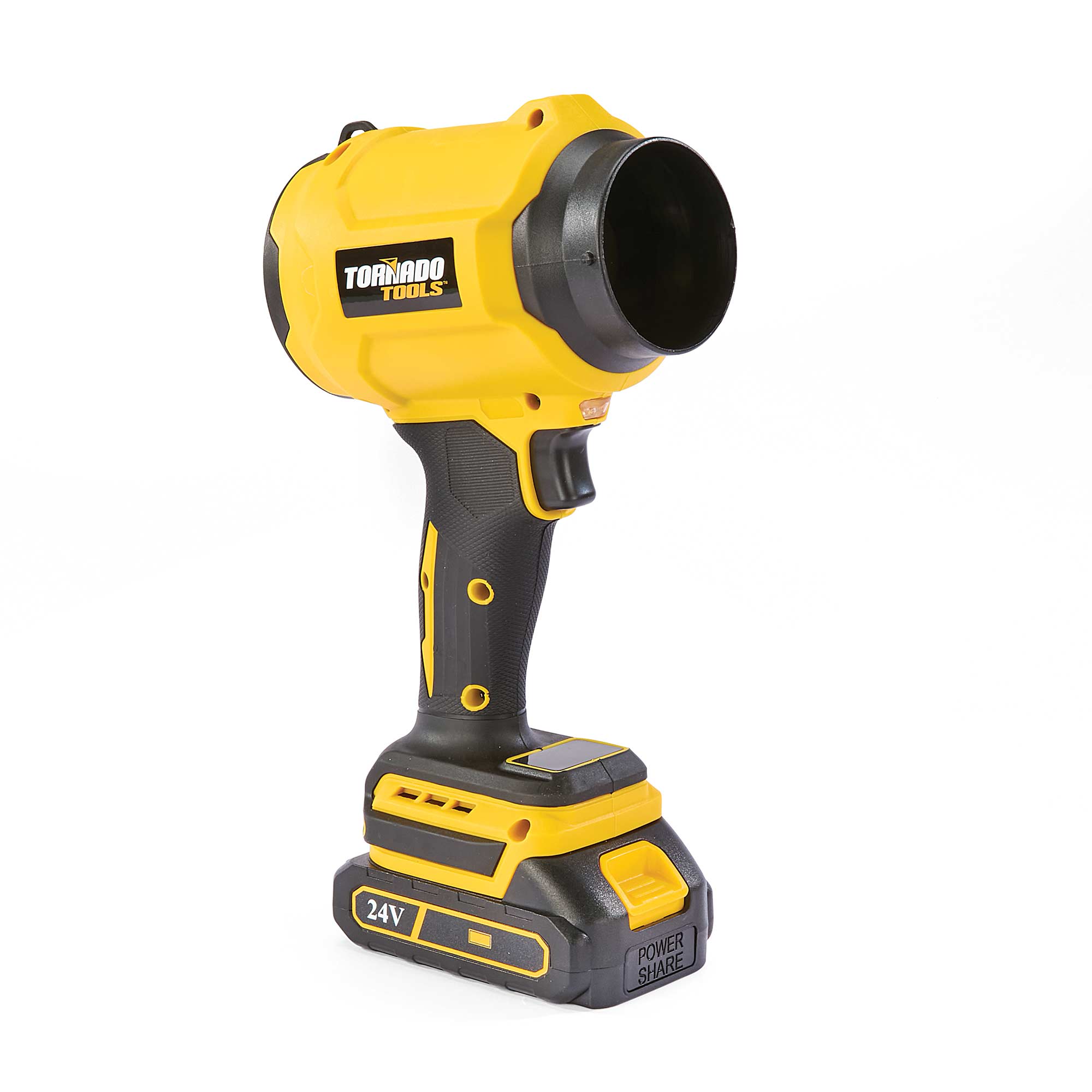
A compact option for clearing dust and light debris from project areas.
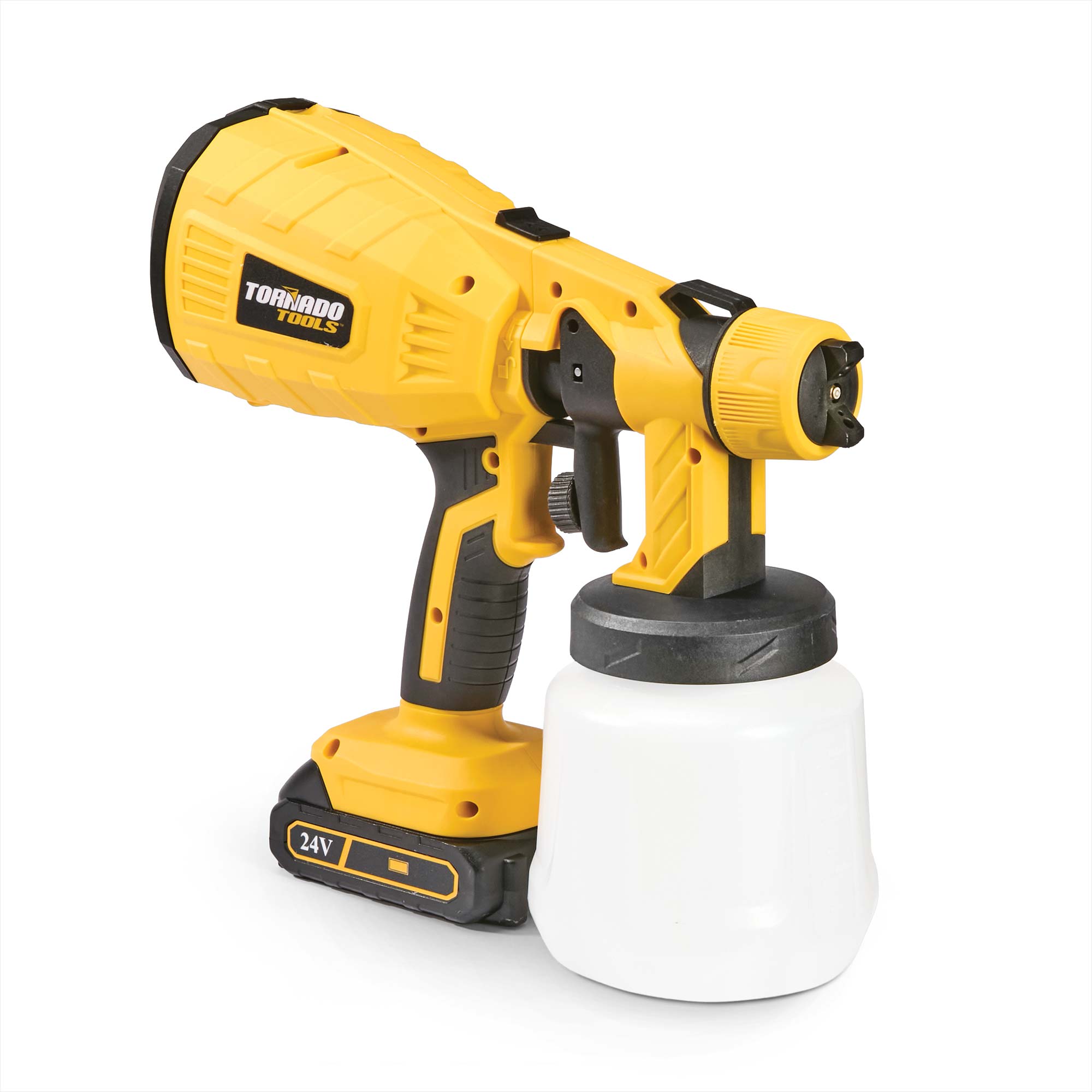
Consider a sprayer when painting, staining or refinishing larger surfaces is recurring work.
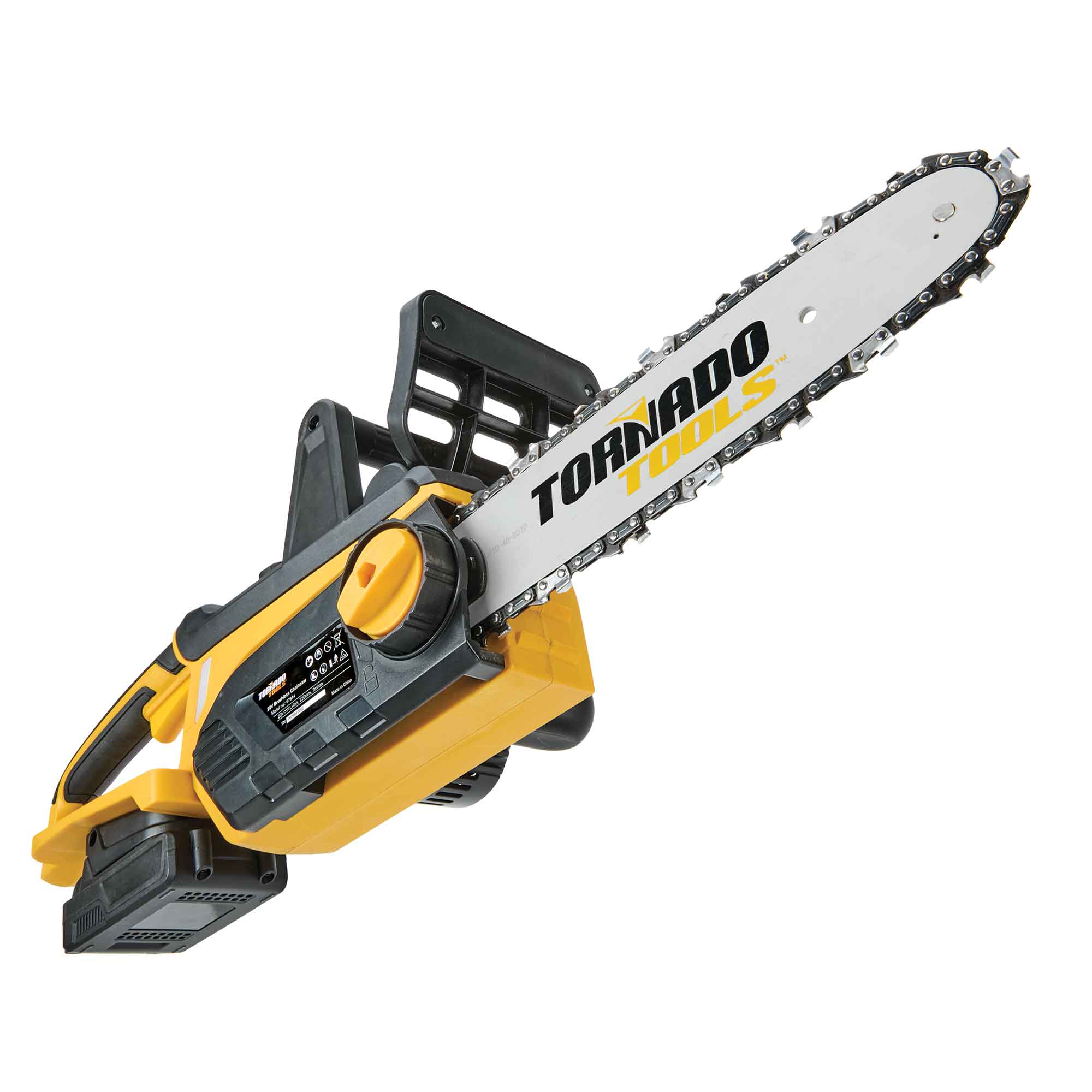
A more specialized choice for homeowners who regularly handle branch trimming and similar property-maintenance jobs.
Start with what you need to accomplish. Each product name and View Product link below takes you directly to the corresponding Heartland America product page.
| Product | Best For | Why Choose It | Good Fit When... | Product |
|---|---|---|---|---|
| 20V Cordless Drill Kit Item 69818 | Drilling, driving, installation and assembly | Useful across many common home and workshop jobs | You want one versatile tool for recurring DIY projects | View Product |
| Buffalo Tools Welding Table Item 8850623 | Project surface, clamping and fabrication | Creates a dedicated place for hands-on project work | Repair, fabrication or assembly regularly needs a stable surface | View Product |
| Flexit Solar Work Light Item 69048 | Close-up and portable task lighting | Brings light closer to the actual work area | Overhead garage lighting leaves shadows where you work | View Product |
| Tornado Tools Mini Air Blower Item 69326 | Dust and light-debris cleanup | Compact option for quickly resetting a work area | Light debris regularly collects between projects | View Product |
| Tornado Tools Paint Sprayer Item 69327 | Painting, staining and finishing | Adjustable spray options for recurring finishing work | Painting or refinishing larger surfaces is a repeated project | View Product |
| Tornado Tools 20V Chainsaw Item 63171 | Outdoor cutting and property maintenance | Cordless tool for homeowner branch and cutting work | Branch trimming or similar outdoor work is part of your routine | View Product |
Check off what your space already has. Your selections save automatically in this browser, so you can return later and continue planning.
A useful workshop grows around real needs. Before adding another tool, make sure it has a clear job, a realistic use case and a place in your setup.
“It looks useful” is different from identifying a recurring task that causes frustration or takes too long.
Frequently repeated projects usually justify investment before unusual jobs that happen only once every few years.
Storage is part of the purchase decision. Equipment without an assigned home can quickly create workshop clutter.
Consider batteries, chargers, bits, blades, consumables, maintenance and protective equipment before deciding.
Start with a stable work surface, a versatile drill or driver, good task lighting, basic cleanup equipment and organized storage. Then add specialized equipment around the projects you perform regularly.
For many homeowners, a cordless drill or driver is a practical first choice because drilling holes and driving fasteners are common parts of household repairs, assembly and installation.
Not necessarily, but you do need a stable work surface suited to the project. A dedicated table becomes more useful when clamping, assembly, repair or fabrication is something you do frequently.
General garage lighting illuminates the room. Task lighting is positioned closer to a specific work area so you can see details that overhead fixtures may leave in shadow.
Cordless tools can be convenient when you move between the garage, home, vehicle and yard. Corded tools can still make sense for other jobs. Choose based on where and how you work.
Buy around recurring jobs first. Add specialized equipment only when you can identify the task it will repeatedly solve.
Start with versatile tools for recurring jobs and add specialty equipment only when a project gives you a clear reason.
Shop Workshop Tools