
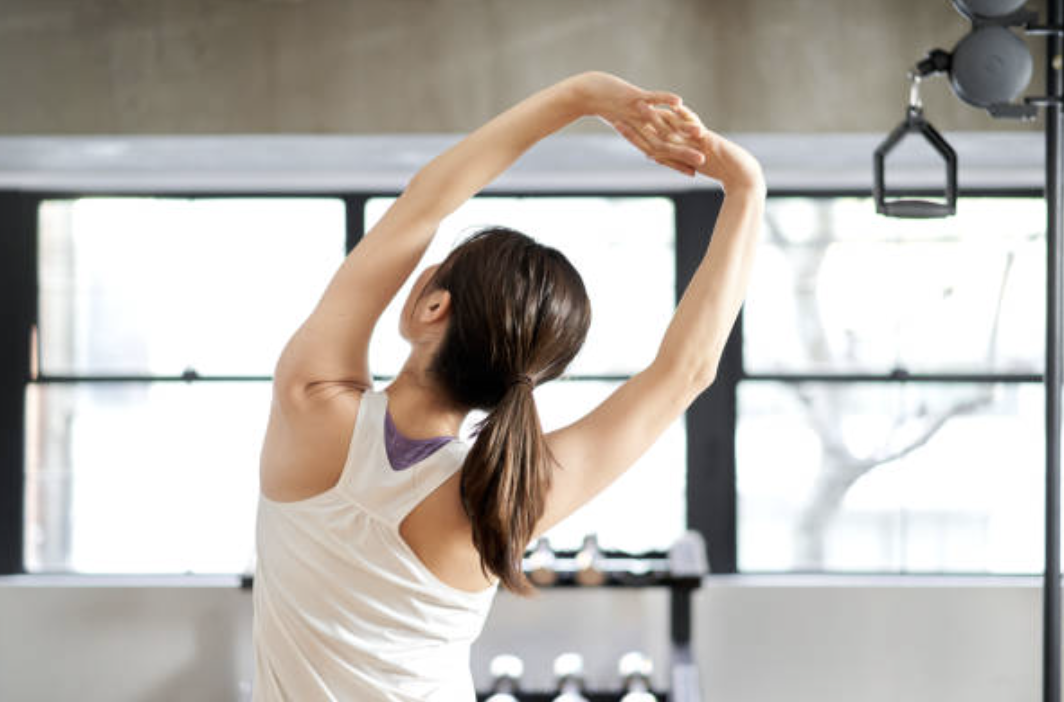
Move While Seated
Consider a portable elliptical or mini exercise cycle when you want lower-body movement from a chair.
Move more, stretch better and make everyday wellness easier without turning your home into a gym.
Start with the activity you actually want to do. A compact pedal exerciser may make sense for seated movement, while a stepper or fitness bike may suit a more active workout. Stretching and recovery tools serve a different purpose.
Start with the kind of movement you will realistically use. Choose a portable elliptical or mini cycle for seated exercise, a stair stepper when you want compact standing cardio, or a fitness bike when you want a more complete exercise station.
Stretching and recovery products solve different problems, so add them because they support your routine—not simply because they are labeled wellness products.
The most useful wellness product is the one that fits your routine, available space and preferred type of activity.
Consider a portable elliptical or mini exercise cycle when you want lower-body movement from a chair.
A stair stepper can give standing workouts a small footprint while adding upper-body work with resistance bands.
A fitness bike with resistance bands combines pedaling with upper-body resistance in one exercise station.
Use a stretching-focused product when mobility and lower-body flexibility are more important than cardio.
Recovery tools can complement exercise when comfort and relaxation are part of your normal post-activity routine.
Measure before buying and decide where equipment will live between workouts. Convenient storage often matters as much as workout features.
These products are not ranked from best to worst. Each fits a different type of exercise, stretching or recovery routine.
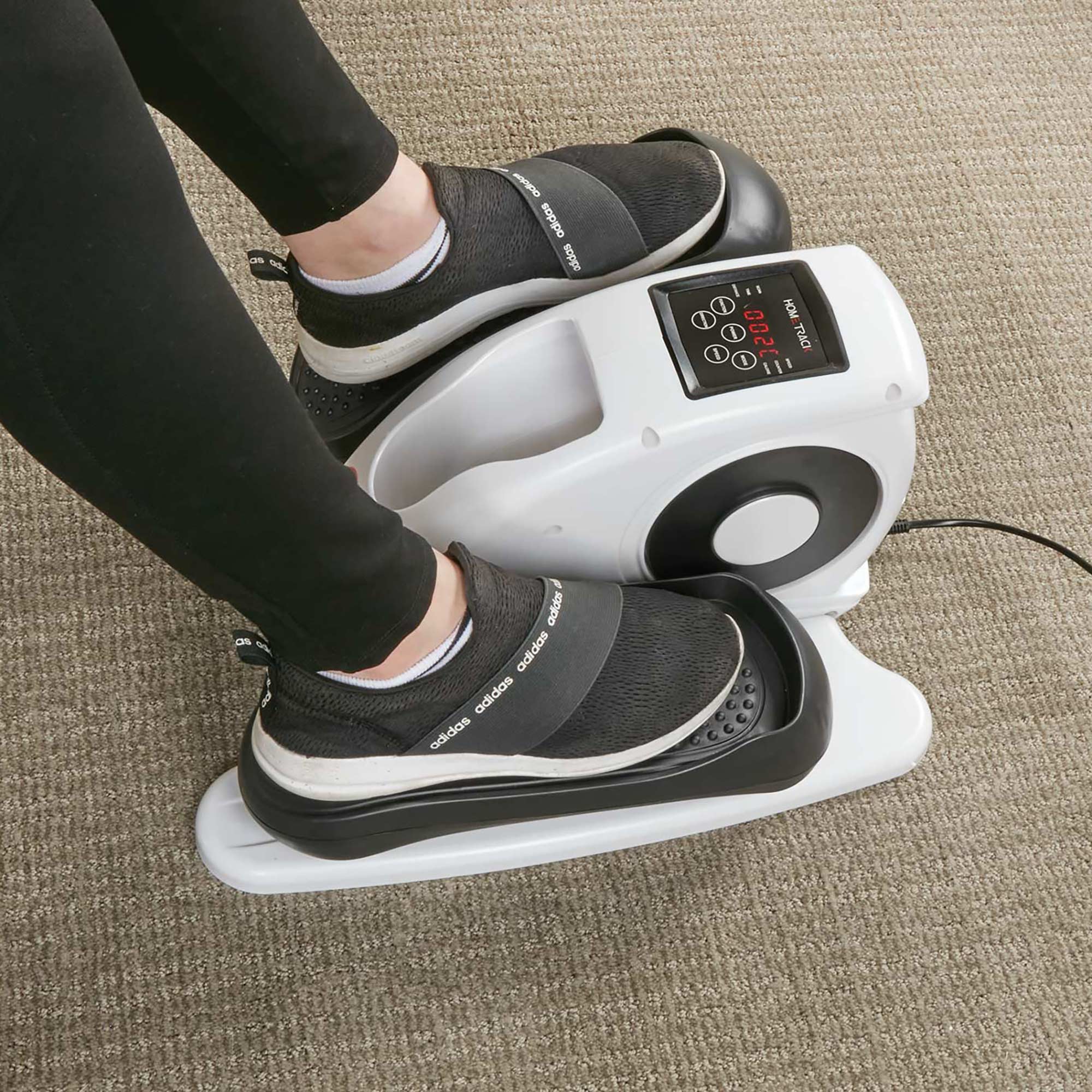
A compact choice for people who want to exercise their legs while seated at home or at a desk.
A small pedal exerciser for customers who want an adjustable seated workout without a full-size bike.
A compact stepping option that combines lower-body movement with detachable resistance bands for upper-body exercise.
A two-in-one setup for shoppers who want pedaling plus resistance-band exercise in a single piece of equipment.
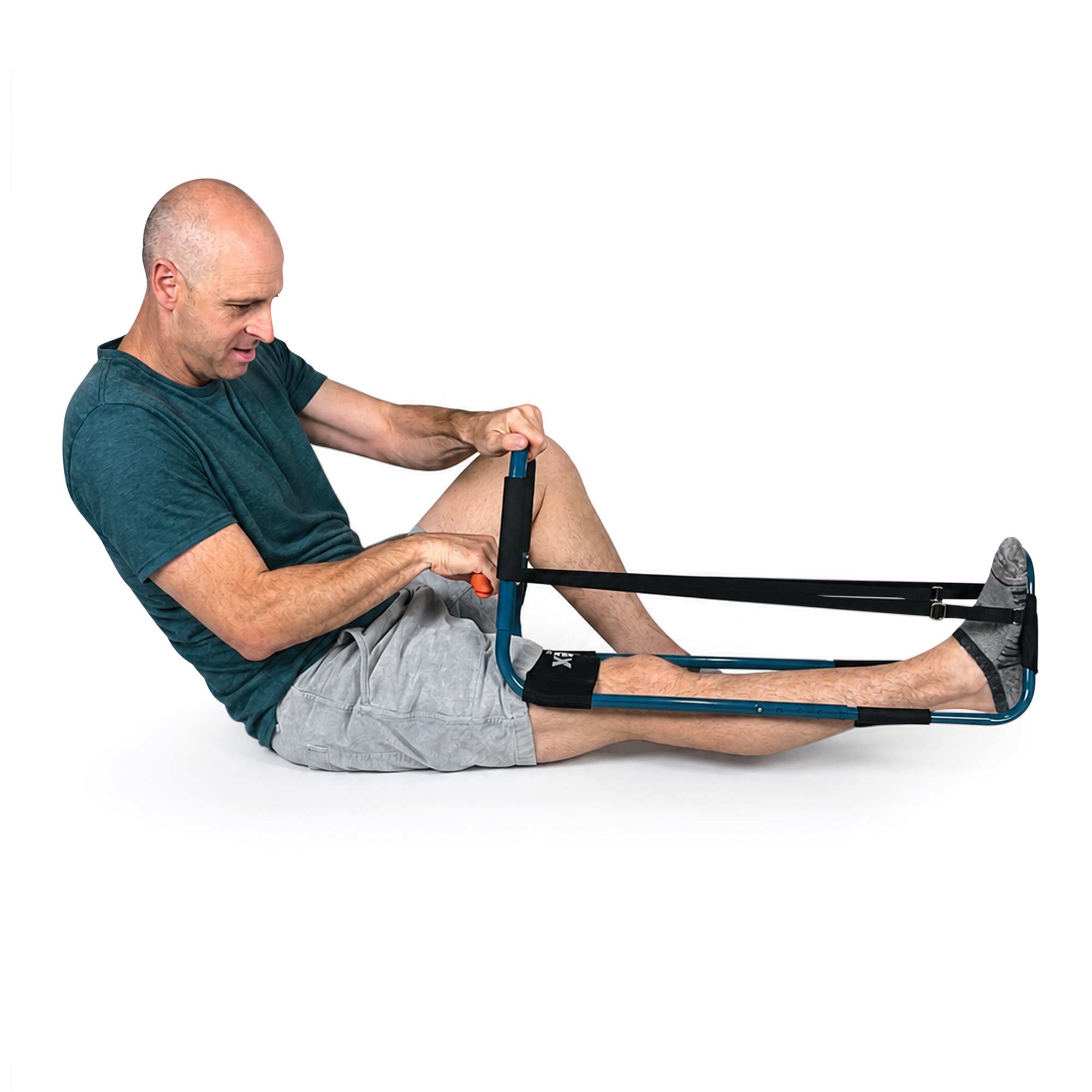
A stretching-focused option for customers who want a structured way to work on lower-body flexibility.
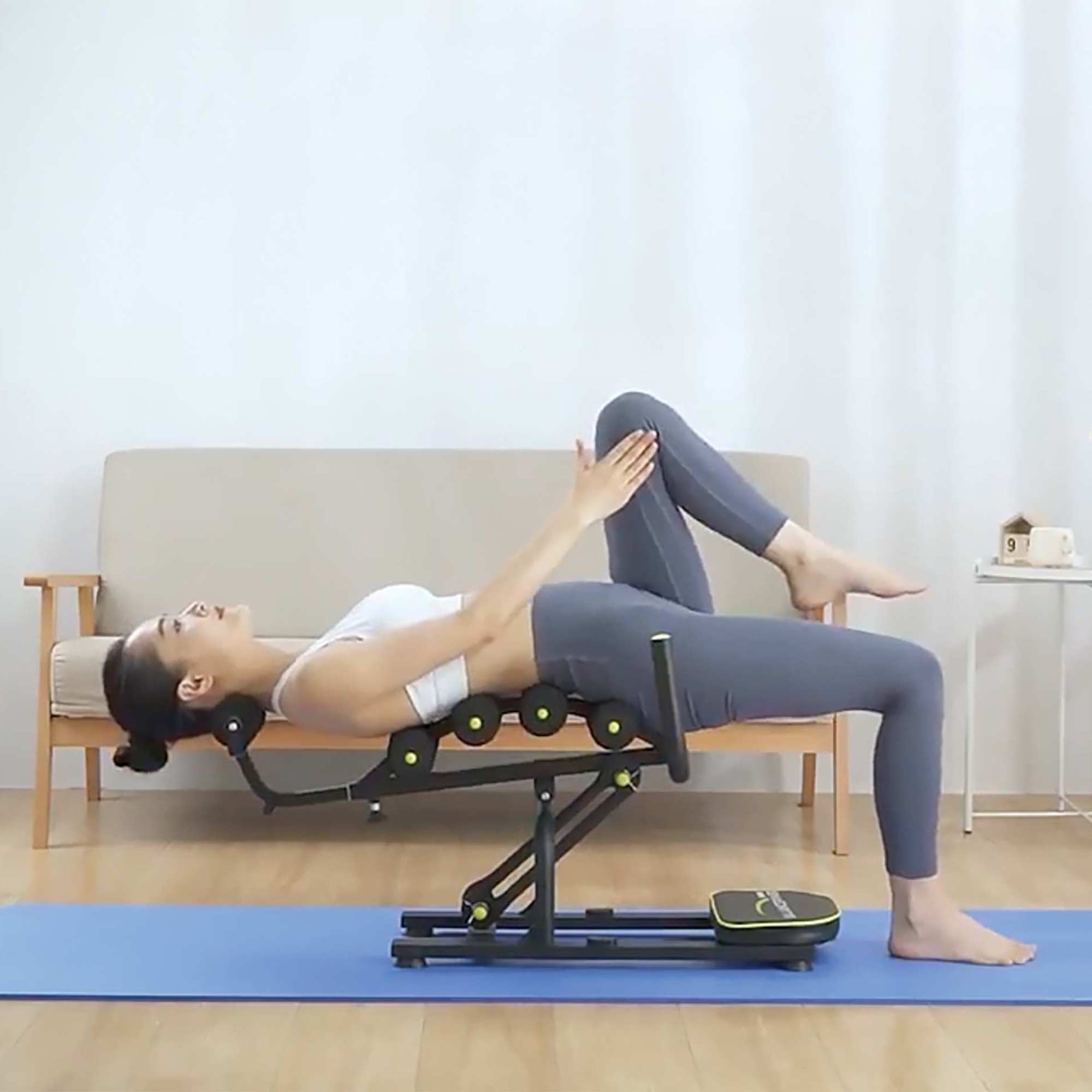
A more specialized choice for customers who want an inversion-style stretching setup without a conventional full-size table.
A targeted comfort product to consider when a knee-focused recovery routine is part of your normal wellness habits.
Focus first on body position and activity type. Those two decisions quickly narrow the field.
| Product | Main Use | Position | Space Profile | Helpful If You Want... |
|---|---|---|---|---|
| Portable Elliptical | Lower-body exercise | Seated | Compact | Powered elliptical movement while sitting |
| Trakk Mini Exercise Cycle | Pedaling | Seated | Compact | Adjustable pedal resistance and simple tracking |
| Stair Stepper with Bands | Cardio and resistance exercise | Standing | Compact | A more active workout in limited floor space |
| Hometrack Fit Bike | Pedaling plus resistance-band exercise | Seated | Larger, foldable | One station for lower- and upper-body activity |
| Flex Frame Stretcher | Stretching and mobility | Varies by stretch | Compact | A dedicated lower-body stretching routine |
| Mini Inversion Table | Inversion-style stretching | Reclined | Specialized equipment | A more structured stretching setup |
| Aeon Knee Massager | Comfort and recovery | Seated or resting | Small | A knee-focused post-activity comfort routine |
Consistency is easier when movement fits naturally into the day. Start small, remove unnecessary setup and keep the equipment you use most within easy reach.
Attach movement to something already in your schedule: morning coffee, a favorite program or an afternoon break.
A routine you repeat is more useful than an ambitious plan that is too inconvenient to maintain.
If equipment takes too long to retrieve, unfold or move, you may use it less often.
Cardio, resistance work, stretching and recovery play different roles. Your routine does not need to rely on only one activity.
Time, repetitions or workout frequency can be easier to follow than chasing an overly complicated set of goals.
Comfort, mobility and fitness levels vary. Choose settings and activities appropriate for you and follow any medical guidance you have received.
Check off each item as you make a decision. Your selections are saved automatically on this device. Use Print Checklist when you want a clean paper copy.
Start with the result you want your equipment to support.
Body position and movement style quickly narrow your choices.
Think about both workout space and storage space.
Pay for features you expect to use, not simply the longest feature list.
Convenience can be just as important as workout capability.
Compare products on the factors that matter most to you.
Heartland America's indoor-fitness resource covers simple movement ideas, compact workout tools and ways to make home exercise easier to fit into everyday life.
Portable ellipticals, mini exercise cycles and compact steppers are worth considering when floor space is limited. Decide first whether you want to exercise seated or standing, then compare storage needs.
Both can support seated lower-body exercise. A mini cycle uses a circular pedaling motion, while a portable elliptical uses an elliptical stride. Resistance, powered operation and tracking features also differ by product.
A larger fitness bike may make sense when you want a dedicated exercise station and have room for it. The Hometrack model also adds resistance bands for upper-body exercise.
No. Recovery, stretching and exercise tools serve different purposes. Choose each product based on the activity you want it to support.
No. A simple routine can combine walking, stretching, bodyweight movement and one compact piece of equipment. More equipment is not automatically a better routine.
Read the product instructions carefully and consider your balance, mobility and any medical guidance you have received. Specialized stretching or inversion equipment may not be appropriate for every person.
Compare fitness, stretching, recovery and everyday wellness products based on your space and routine.
Shop Health & WellnessHealth & Safety Note: This guide provides general educational information and is not medical advice. Consider your individual health, mobility, balance and fitness level before beginning a new exercise, stretching, inversion, massage or wellness routine. Follow product instructions and consult a qualified healthcare professional if you have questions about whether an activity or product is appropriate for you.