Battery & Tire Recovery
A dead battery or low tire can stop the trip entirely. Decide whether you want one multi-function recovery tool or separate tools for battery and tire needs.
A useful road-ready kit is not about filling your trunk with gadgets. It is about covering the problems that can leave you stranded or unprepared: a weak battery, a low tire, bad weather, darkness, lost navigation or a phone that needs power.
Start with equipment that addresses the problems most likely to stop the trip: battery trouble and tire trouble. Then add reliable lighting, a way to receive weather information, device charging and dependable navigation. Complete the kit with basic first aid, reflective warning equipment, water and seasonal supplies.
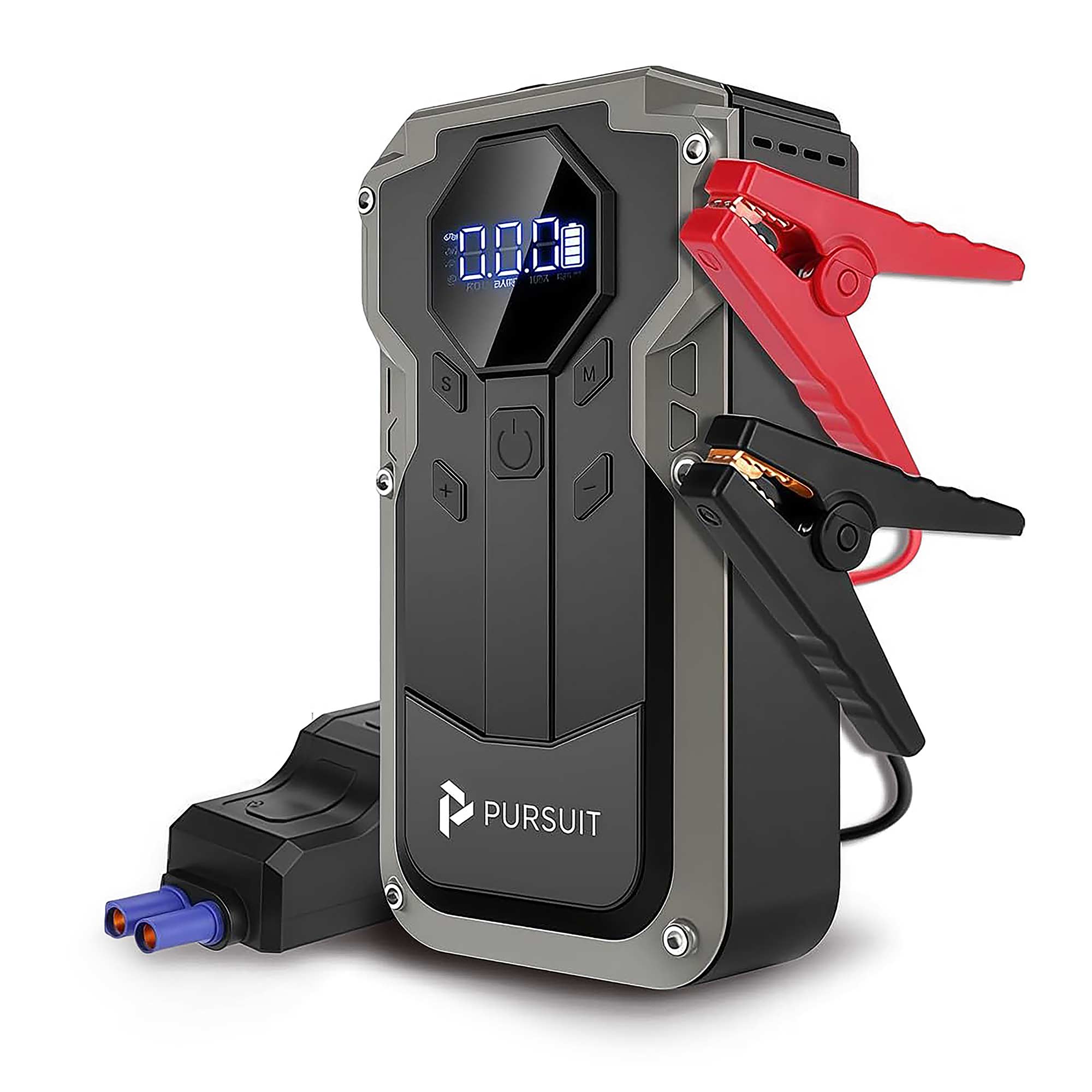
Among the products in this guide, the Pursuit 2000A Jump Start with Air covers the most functions in one tool. A dedicated Portable Digital Inflator makes more sense when tire maintenance is your main need and you do not need a jump starter.
Instead of asking which product has the longest feature list, ask what problem you want the product to solve. That makes it easier to avoid duplicate gear and choose equipment you will actually know how to use.
A dead battery or low tire can stop the trip entirely. Decide whether you want one multi-function recovery tool or separate tools for battery and tire needs.
Nighttime trouble and changing weather make simple tasks harder. Portable lighting and weather-radio access can make an emergency kit more useful beyond the vehicle too.
Phones are useful, but a dedicated GPS can provide navigation without relying on Wi-Fi. Keep critical charging cables in the vehicle as well.
Before a long trip, learn where each tool is stored, charge rechargeable equipment and review its instructions. Emergency gear is most useful when you can reach it and understand it without learning under pressure.
No single product replaces a complete emergency kit. These recommendations work best as building blocks: choose the ones that address your vehicle, route, climate and travel habits.
Best for: drivers who want several emergency functions in one compact tool
This is the broadest roadside-recovery product in the group. It combines a 2000A peak jump starter with a built-in 150 PSI compressor, USB charging and emergency lighting.
Choose this over a standalone inflator when you also want battery-jump capability. Confirm vehicle compatibility and keep the unit charged.
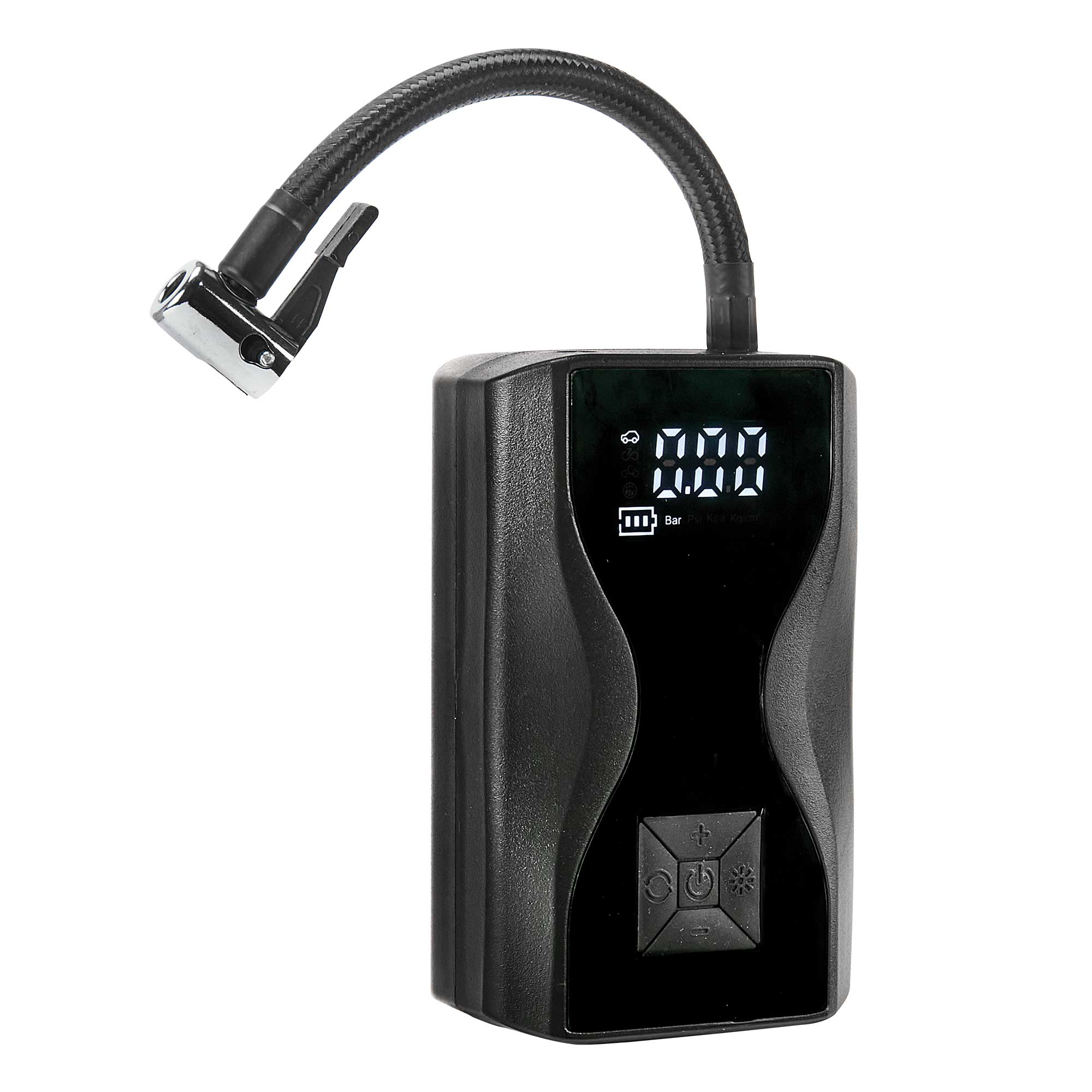
Best for: compact tire-pressure maintenance without the extra functions of a jump starter
A dedicated inflator is a straightforward choice for routine tire-pressure corrections and travel. The digital display helps you monitor pressure while automatic shutoff stops inflation at the selected level.
This is the simpler choice when low tire pressure is the problem you specifically want to address.
Best for: weather awareness, roadside lighting and portable backup power
This multi-purpose lantern helps solve a different problem than recovery tools: seeing what you are doing and receiving weather information when conditions change.
This can serve both a vehicle emergency kit and a broader household or storm-preparedness kit.
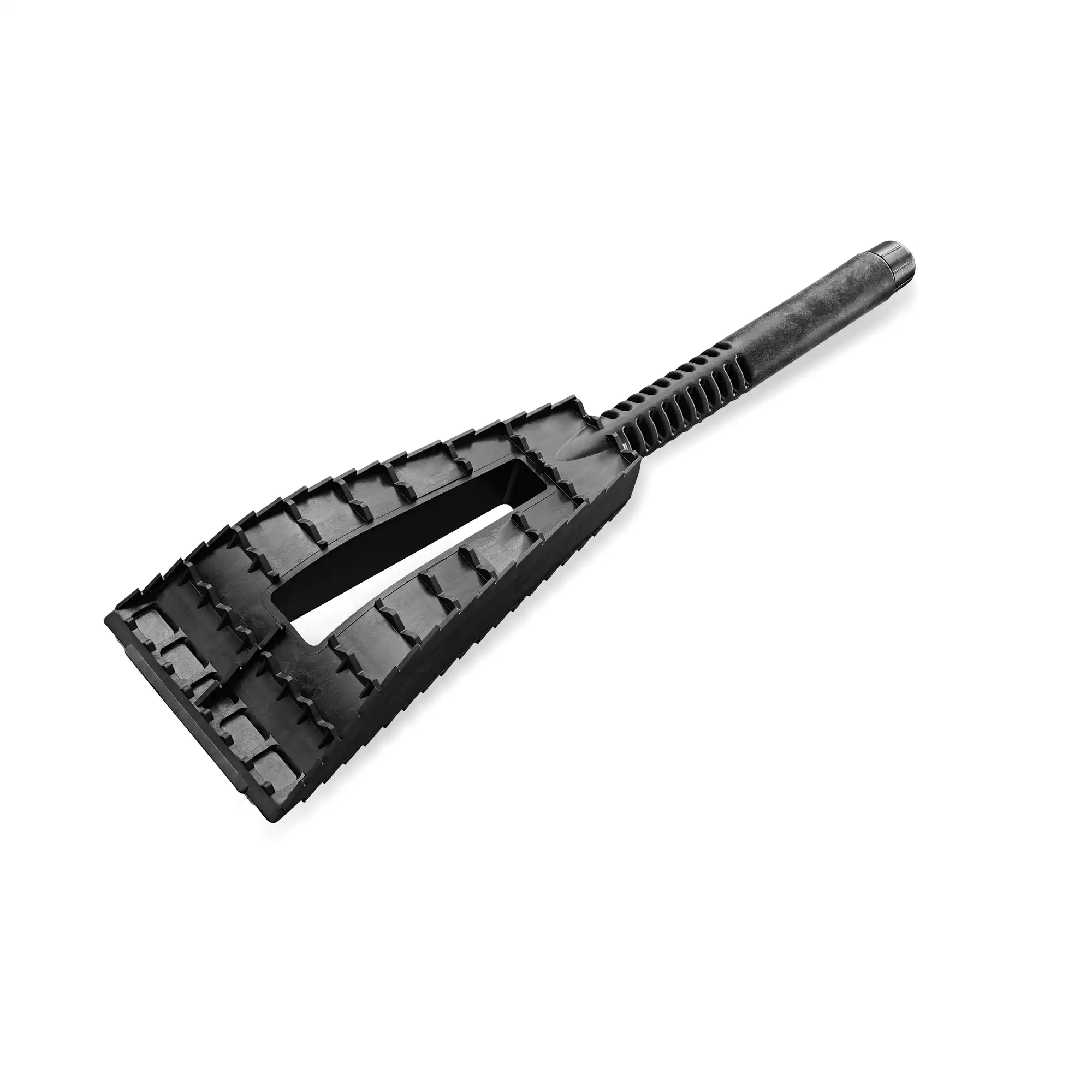
Best for: drivers who travel in snow, ice or other conditions where traction and tire access can be harder
The Spare-Me combines several simple mechanical functions in one compact tool, making it especially relevant for seasonal vehicle preparation.
Treat it as supplemental equipment. Your vehicle's specified jack, spare-tire equipment and instructions still matter.
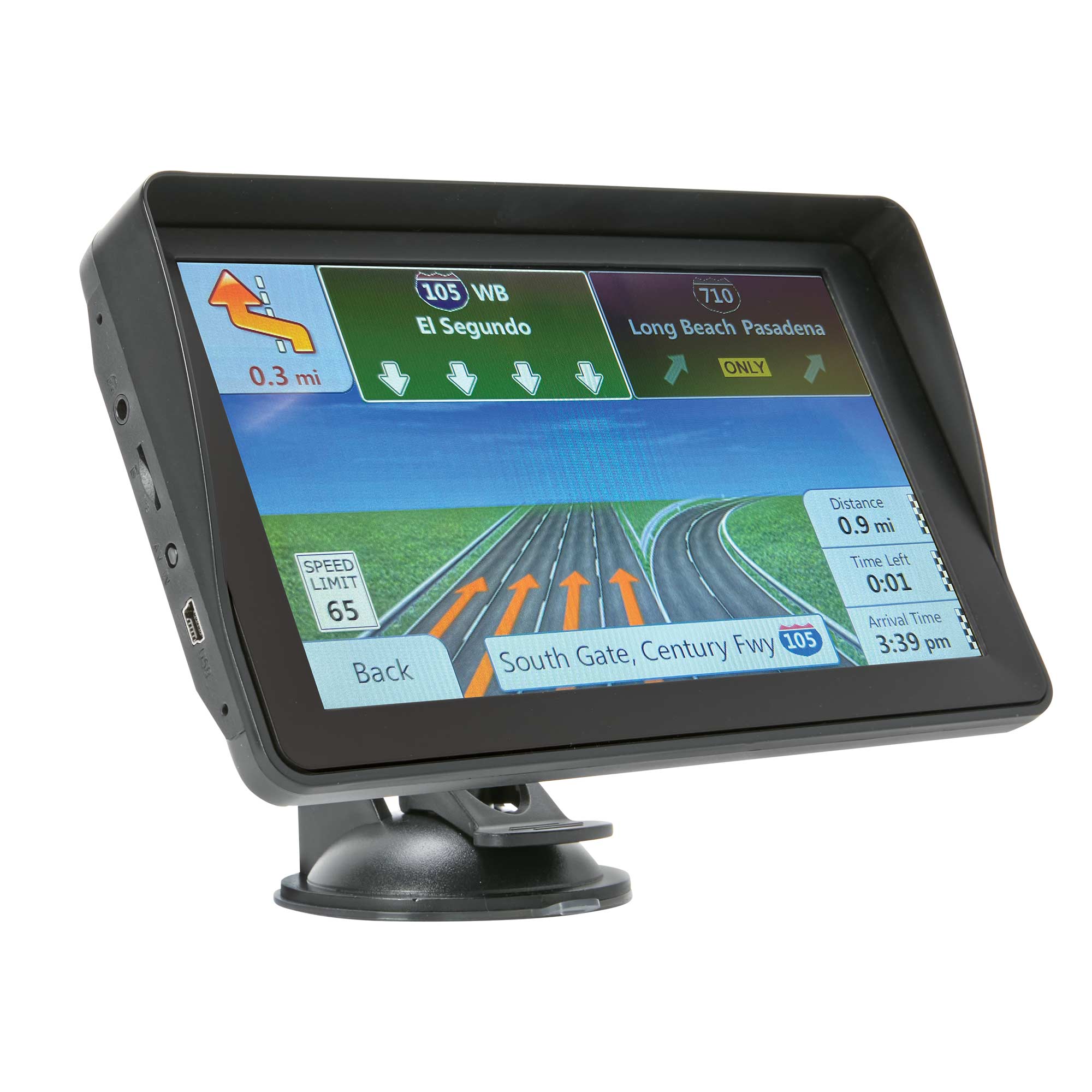
Best for: drivers who prefer dedicated navigation instead of relying entirely on a phone
A standalone GPS can be useful on long drives because navigation does not require a Wi-Fi connection and does not tie up your phone's screen.
Update maps before a major trip and position any mounted screen so it does not interfere with your view of the road.
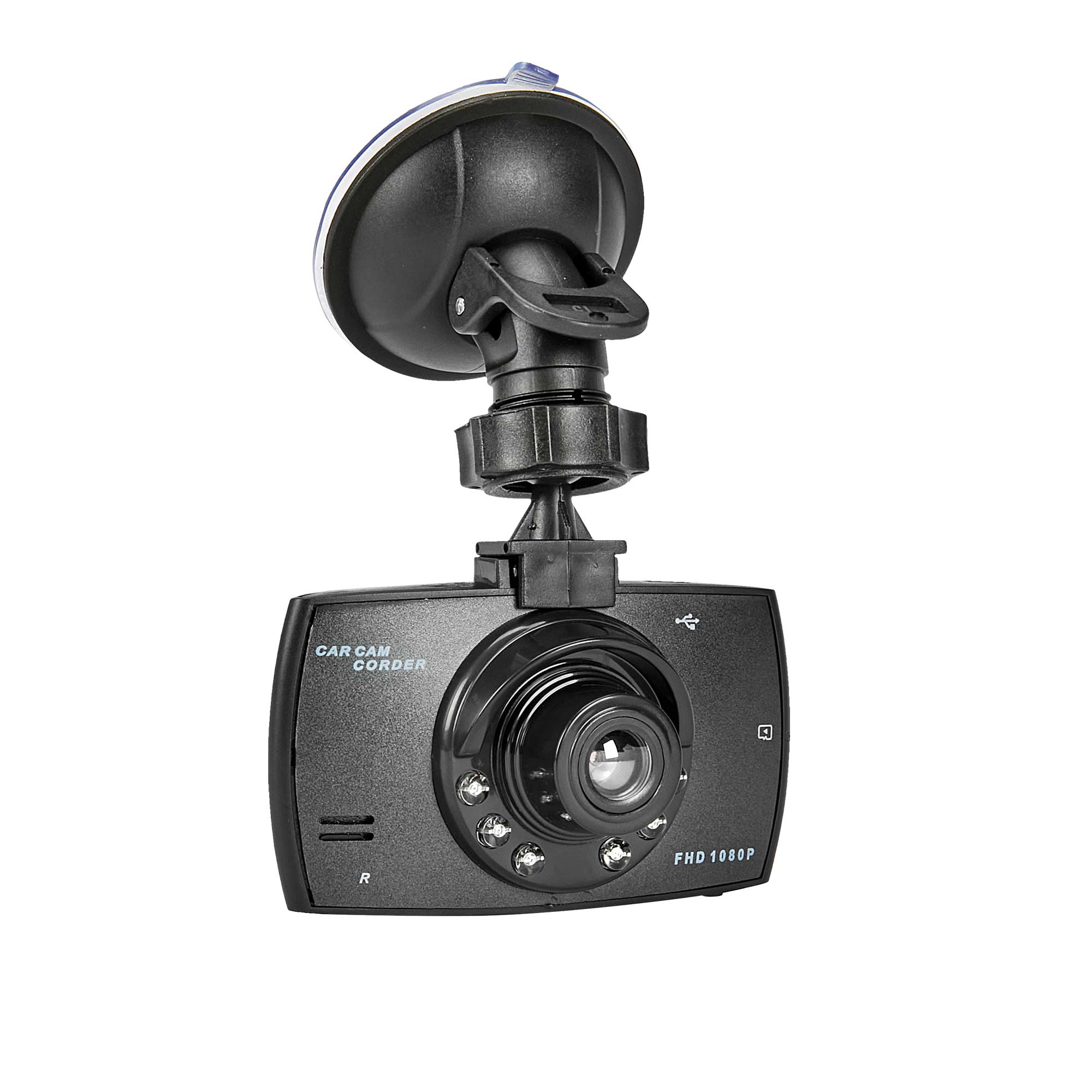
Best for: keeping a compact video record of the road ahead
A dash camera does not solve a breakdown, but it can add useful drive documentation without taking up much windshield space.
Supports microSD cards up to 32GB; a card is not included. Review local mounting and recording rules.
Best for: keeping compatible Lightning-equipped phones and tablets powered while traveling
Charging equipment is easy to overlook because it is not a traditional emergency tool. Yet navigation, communication and roadside-assistance calls all become harder when a phone battery is low.
This item is the Lightning version. Confirm the connector on your phone or tablet before ordering.
These products overlap when it comes to tire inflation, but they are designed for different levels of roadside preparedness.
You want one piece of equipment that can address both a weak battery and low tire pressure, while also providing lighting and USB backup power.
Your main goal is maintaining tire pressure and you want something compact, rechargeable and easy to use without paying for jump-start functionality.
You want redundancy or prefer to keep a dedicated inflator available while reserving the jump starter for battery emergencies.
Electronics and rescue tools are only part of the kit. A practical vehicle setup should also cover visibility, basic personal needs and information that still works when a phone does not.
Include a basic first-aid kit, work gloves and high-visibility or reflective warning equipment.
Keep drinking water, shelf-stable snacks and season-appropriate clothing or blankets where practical.
Store important phone numbers, roadside-assistance information and basic route details somewhere that does not depend entirely on a charged phone.
If your vehicle cannot be positioned safely away from moving traffic, do not treat a roadside repair as the first priority. Use your hazard lights, follow local safety guidance and contact roadside or emergency assistance when the location makes a repair unsafe.
These products solve different problems. Compare their main purpose, strengths and important considerations to decide which ones make sense for your vehicle and travel habits.
| Product | Best For | Key Strength | Keep in Mind |
|---|---|---|---|
| Pursuit 2000A Jump Start w/Air Item 69712 | Drivers who want battery and tire capability in one compact kit | Combines jump starting, a 150 PSI air compressor, USB device charging and emergency lighting | Rated for vehicles up to 6L gasoline and 3L diesel. Recharge it periodically and confirm compatibility with your vehicle before relying on it. |
| Portable Digital Inflator Item 69234 | Tire-pressure checks, top-offs and compact storage | Digital pressure display, automatic shutoff, rechargeable operation and multiple adapters | It inflates tires but does not jump-start a battery. Inflate vehicle tires to the pressure specified by the vehicle manufacturer. |
| AM/FM/NOAA Weather Lantern Item 69131 | Weather awareness, nighttime lighting and backup power | Combines lantern and flashlight functions with NOAA weather radio, AM/FM, multiple charging methods and power-bank capability | Charge and test it before travel so the radio, lighting and backup-power functions are ready. |
| Spare-Me Auto Rescue Tool Item 69122 | Snow, ice, traction and added leverage during tire-related roadside situations | Five functions include an ice scraper, snow shovel, tire lift, traction pad and added leverage for a lug-nut torque bar | This is supplemental rescue equipment. It does not replace the jack, spare tire or other equipment required by your particular vehicle. |
| 7" GPS Navigation Unit Item 61029 | Drivers who want dedicated U.S. navigation without relying on Wi-Fi | Voice guidance, preloaded U.S. maps, address and ZIP-code search, speed information and English/Spanish support | Update maps before important trips and mount the screen where it does not obstruct safe visibility. |
| 2.4" HD Ultra-Slim Dash Camera Item 69001 | Drivers who want a compact record of the road ahead | 720p/1080p recording, 140-degree viewing angle, crash-sensor file protection and night-vision support | A microSD card is required and is not included. Check local rules for camera placement and audio recording. |
| High Speed Car Charge Set - Lightning Item 77247L | Keeping compatible Lightning-equipped devices powered during the drive | Vehicle charging with a USB-C-to-Lightning cable and multiple charging connections | Confirm your phone or tablet connector before buying. Newer devices may use USB-C instead of Lightning. |
Road readiness is about more than what is stored in the trunk. A few minutes of planning before you leave can help you avoid preventable delays, recognize changing conditions and make better decisions if something goes wrong.
Look for construction, closures, major delays and other conditions that could affect your route. Many states provide current traveler information through their 511 systems.
Conditions at your destination may be very different from the weather you encounter along the way. Check the areas you will travel through, not just your starting point and destination.
Know the major highways, exits and alternate routes before leaving. Even when you use GPS, a basic understanding of the route gives you another option if navigation or cell service becomes unavailable.
For longer trips, let someone know where you are going, the route you expect to take and approximately when you plan to arrive.
Do not wait until you are nearly out of fuel, battery range or energy to look for the next stop. Longer or unfamiliar routes deserve some advance planning.
Having emergency equipment does not mean every roadside problem should be handled yourself. If traffic, weather, visibility or the location of the vehicle makes a repair unsafe, prioritize getting help instead.
Save important addresses, keep key phone numbers somewhere besides your phone and know at least one alternate route. If you will be traveling through an unfamiliar area, check road conditions and weather again before continuing after longer stops.
Check these items before a long drive. Your selections are saved automatically in this browser and can also be shared.
Make sure the things designed to keep the car moving are present and ready.
Prepare for the time between a problem occurring and help arriving.
A practical starting point includes equipment for battery trouble and tire trouble, dependable lighting, reflective warning equipment, first aid, drinking water, device charging, important contact information and seasonal supplies appropriate for the climate.
Not necessarily. A jump starter addresses a weak or dead battery, while an inflator addresses low tire pressure. A combination unit such as the Pursuit 2000A Jump Start w/Air covers both jobs. A dedicated inflator is a simpler choice if tire maintenance is your primary concern.
It can be. A dedicated GPS keeps navigation separate from calls and other phone functions and can operate without relying on Wi-Fi. The 7-inch GPS in this guide includes preloaded U.S. maps and voice guidance.
Review it before long trips and when the seasons change. Recharge battery-powered equipment, check first-aid and food supplies, verify tire equipment and replace anything that is damaged, expired or no longer compatible with your devices.
Keep equipment secured so it cannot become a loose object during sudden stops, but make frequently needed items reasonably accessible. Follow manufacturer storage instructions for rechargeable batteries and products affected by extreme heat or cold.
A dash cam is better considered documentation gear than recovery gear. It will not restart a battery or inflate a tire, so basic roadside and personal-safety equipment should normally come first.
Prioritize personal safety over attempting a repair. If the vehicle cannot be positioned safely away from moving traffic, use appropriate warning signals, follow local guidance and contact roadside or emergency assistance rather than attempting work in an unsafe location.
From roadside emergency gear and tire-care tools to navigation, charging accessories and everyday vehicle essentials, explore Heartland America's full selection of auto accessories and find the gear that fits how and where you drive.
You've checked the tires, charged the gear and planned the route. Now for the fun part. A few favorite treats can make the miles between stops a little more enjoyable.
A colorful pick for passengers who like a mix of sweet and sour candy along the way.
Grab the GummiesTraditional, salted and pecan caramel varieties give everyone something different to reach for at the next rest stop.
Grab the CaramelsA bigger savory option for sharing when you've had enough sweets and still have plenty of highway ahead.
Grab the Party MixRoad-trip tip: keep snacks secured and save anything messy or distracting for a rest stop. And don't forget drinking water.