
Storm Cleanup Made Simple: A Neighborly Guide for Every U.S. Household

Smart Tools, Safe Cleanup, Real Savings
Storm cleanup made simple with budget-friendly tools and safety tips. Prepare your home, save money, and gain peace of mind after every storm.
Outdoor Living, Trending Topics
by Morgan McLain • July 02, 2026
Storms don’t care if it’s a Tuesday morning or a Saturday night — when they roll through, they leave behind branches, debris, and a whole lot of stress. But here’s the good news: storm cleanup doesn’t have to feel overwhelming. With a little emergency preparedness, a solid emergency kit, and some budget‑friendly tools, you can tackle the mess safely, confidently, and without breaking the bank.
Across the U.S., from the Midwest to the Gulf Coast to the mountain states, families face everything from windstorms to tornadoes to heavy rain events. This guide keeps things practical — because storm cleanup is one of those moments where community, preparation, and smart savings really matter.
Start With Safety
Before you lift a branch or roll out a tarp, take a moment to assess your surroundings. Storm safety is step one in any cleanup effort.
- Look for downed power lines and report them immediately.
- Watch for unstable trees, loose limbs, or leaning fences.
- Wear gloves, boots, and eye protection.
- Keep kids and pets away from the cleanup zone.
A quick walk‑around helps you spot hazards early and keeps your emergency prep grounded in safety.
Tackle the Major Cleanup Tasks First
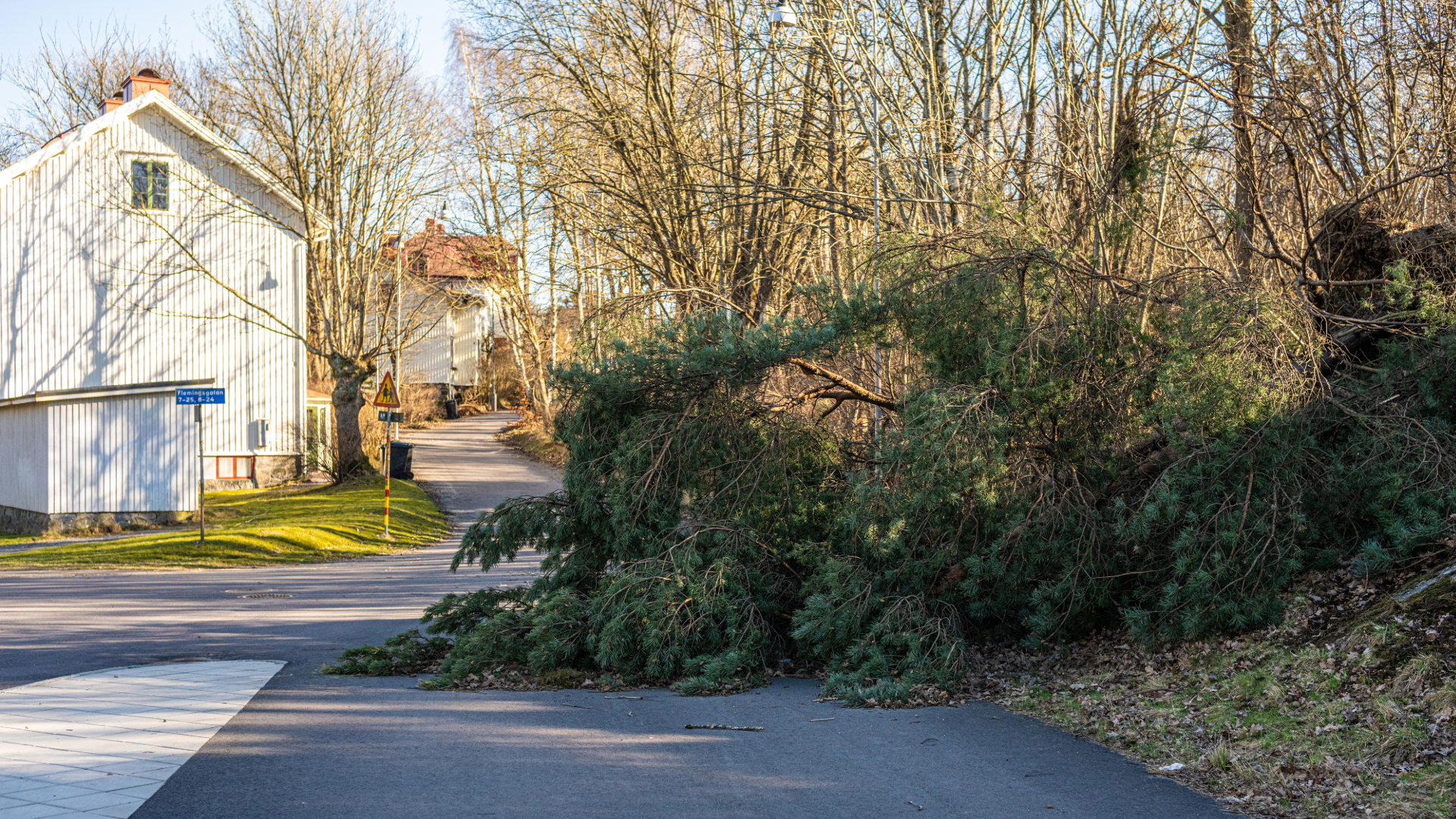
Once you’ve checked the area, start with the larger debris. Big branches, fallen limbs, and damaged sections of trees should be cleared before you move on to the smaller items.
This is where having reliable, budget‑friendly tools makes a huge difference. Heartland America offers low‑price, value‑forward cleanup essentials that help you save money while getting the job done right.
A sturdy tarp is an essential tool for quick and efficient debris gathering and hauling.
- Durable and tear-resistant for heavy loads
- Easy to fold and store when not in use

A compact chainsaw makes cutting branches manageable and less tiring.
- Lightweight design reduces fatigue
- Powerful motor for quick cuts
- Safety features include blade guards and easy start
A mini pole saw helps you safely reach and trim low-hanging or broken limbs.
- Extendable pole for added reach
- Sharp blade for precise cuts
- Lightweight and easy to maneuver
These tools are designed for everyday homeowners — easy to use, dependable, and priced for real‑world budgets.
Clear the Small Debris Next
After the big pieces are handled, it’s time to tidy up the smaller stuff. This step is all about making your yard, driveway, or sidewalk safe and walkable again.
- Sweep away loose debris.
- Bag leaves and small branches.
- Check gutters and downspouts for clogs.
- Rinse off walkways if mud or silt has settled.
One helpful tool for this stage is the lightweight air broom, which makes quick work of small debris and leaves.
- Lightweight and easy to maneuver
- Efficiently sweeps leaves, grass clippings, and dirt
- Reduces cleanup time and effort

Small cleanup steps help restore normalcy faster and reduce the chance of slips, trips, or water buildup during the next storm.
Extra Tips for Smarter Storm Cleanup
These simple tips help keep your home safer and your cleanup more efficient.
- Document damage for insurance before you start cleaning.
- Work in teams — even one extra set of hands makes a big difference.
- Stay hydrated, especially during summer cleanup.
- Plan your pile — place debris where your city or county pickup service can easily access it.
- Check your emergency kit afterward and restock anything you used.
Storm cleanup isn’t just about clearing debris — it’s about staying prepared for the next round of weather.
Why Budget‑Friendly Tools Matter
Storm cleanup can get expensive fast, especially if you rely on outside services. Having your own emergency preparedness gear not only saves money year after year but also provides peace of mind when the weather turns.
Heartland America focuses on value, low prices, and real‑world savings — making emergency prep accessible for every household. Whether you’re dealing with fallen branches, scattered debris, or general storm aftermath, having dependable tools on hand helps you stay ready without overspending.
Q&A: What People Are Asking About Storm Cleanup
What should be in my emergency kit for storm cleanup?
Include gloves, flashlights, batteries, a first‑aid kit, bottled water, a tarp, basic tools, and a portable power source. These essentials help you stay safe and organized during cleanup.
How soon should I start storm cleanup after a storm?
Only begin once the area is safe — no downed power lines, no unstable trees, and no active flooding. Safety always comes first.
What’s the best way to handle fallen branches?
Start by cutting larger limbs into manageable pieces, then gather them into piles or onto a tarp for easier hauling.
How do I know if a tree is unsafe after a storm?
Look for cracks, leaning, uprooting, or hanging limbs. When in doubt, consult a professional.
How can I save money on storm cleanup tools?
Shop value‑forward retailers like Heartland America, where emergency prep gear is priced just right for every budget.
What’s the easiest way to clear small debris?
Sweep, bag, and rinse — simple steps that make a big difference in restoring safety and walkability.
Stay safe, stay prepared, and stay neighborly — storm cleanup is easier when you’ve got the right plan and the right tools.