
The Ultimate Mid Summer Lawn & Garden Guide: Tips to Boost Growth & Save Money
Your Friendly Guide to Thriving Mid-Summer Lawns & Gardens Across the U.S.
Expert tips for watering, pest control, and growing budget-friendly crops across every U.S. climate. Keep your lawn and garden thriving all summer long!
by Morgan McLain • July 08, 2026
Ready to transform your mid‑summer lawn and garden? Whether you're planting your first tomato or pruning like a pro, this guide delivers expert tips and tricks to keep your greenery thriving all season long.
Mid‑summer is when your lawn and garden start telling you what they need. A little extra water here, a bit of pest control there, and a few smart habits can keep everything thriving through the hottest stretch of the season.
Below is your neighborly, friendly, easy-to-follow guide—plus easy fruit and veggie picks for every U.S. climate and money‑saving tips.
Mid‑Summer Watering: When & How Much
Keeping plants hydrated in July and August is all about timing.
Best Time to Water
- Early morning (5–9 AM) is ideal. Cooler temps mean less evaporation.
- Evening watering works too but avoid soaking leaves overnight to prevent mildew.
Best Time to Water by U.S. Climate Region
- Southwest (AZ, NM, NV, parts of CA & TX): Water early morning before 8 AM to minimize evaporation in hot, dry conditions.
- Southeast (FL, GA, AL, SC, MS): Early morning or late evening watering helps avoid midday heat and high humidity.
- Midwest (MN, IA, WI, IL, OH): Early morning watering is best; avoid late evening to prevent fungal diseases in humid summers.
- Pacific Northwest (WA, OR, ID): Water mid-morning to allow foliage to dry in cooler, moist climates.
- Mountain West (CO, UT, WY, MT): Early morning watering is ideal to conserve moisture in dry, high-altitude areas.
- Southern California & Coastal Zones: Early morning watering is best to reduce evaporation and fungal risks in mild, coastal climates.
Smart Watering Tools

Soaker hoses deliver slow, deep moisture right to the roots. The Soaker Hose 100ft is perfect for long beds or wrapping around shrubs.
Benefits of Soaker Hoses:
- Deliver water slowly and deeply to plant roots, promoting stronger root growth.
- Reduce water waste by minimizing evaporation and runoff.
- Easy to install and flexible for various garden layouts.
- Ideal for watering long beds, shrubs, and garden borders.
- Help prevent fungal diseases by keeping foliage dry.
- Compatible with timers for automated watering schedules.
- Cost-effective and durable for season-long use.
Rain sensors can be added to automatic sprinklers to prevent watering during or after rainfall, saving water and money.
Raised beds dry out faster—keep an eye on them during heat waves and water accordingly to prevent stress.
Mulching around plants helps retain soil moisture and reduce evaporation, making your watering efforts more effective.
Mid‑Summer Pest Control
Pests love warm weather as much as we do. Stay ahead with simple, low‑effort solutions that protect your garden without hassle.
Easy Pest‑Control Wins
- Solar bug zappers help reduce mosquitoes and flying pests around patios and garden edges. Try the Solar Bug Zapper Lights (4‑Pack).
- Keep weeds down to reduce hiding spots for beetles and slugs.
- Water early so soil dries by evening—damp soil attracts pests.
- Introduce beneficial insects like ladybugs and lacewings to naturally control aphids and other pests.
- Use Neem oil sprays as an organic, safe pesticide alternative.
- Remove fallen leaves and debris to eliminate pest breeding grounds.
- Encourage birds by adding feeders or birdbaths, as they consume many garden pests.

Everyday Garden Hacks (Beginner‑Friendly!)
1. Mulch Like a Pro
Mulch keeps soil cool, reduces weeds, and saves water by retaining moisture and regulating soil temperature. It blocks sunlight to suppress weeds and improves soil health as it breaks down. Beginners can use organic mulches like shredded leaves, straw, or wood chips. Apply a 2-to-3-inch layer around plants for best results.
2. Use Raised Beds for Control & Convenience
The Plastic Raised Garden Bed is great for beginners, seniors, or anyone wanting tidy, manageable growing spaces.
3. Cultivate Without the Backache
A lightweight tiller keeps soil loose and roots happy, making planting and soil preparation easier and less strenuous. Our cultivator helps break up compacted soil, improves aeration, and promotes healthier root growth. It’s perfect for prepping garden beds, mixing in compost, and controlling weeds without bending or heavy lifting, saving your back and energy for more enjoyable gardening tasks.
4. Make Transport Easy
Whether you're hauling soil, tools, or a bumper crop of tomatoes:
- The Folding Utility Wagon is perfect for small yards.
- The Sunnydaze Garden Cart handles heavier loads and even allows you to sit while you are in your garden.

What to Grow in Your Climate (Easy, Affordable, Beginner‑Friendly)
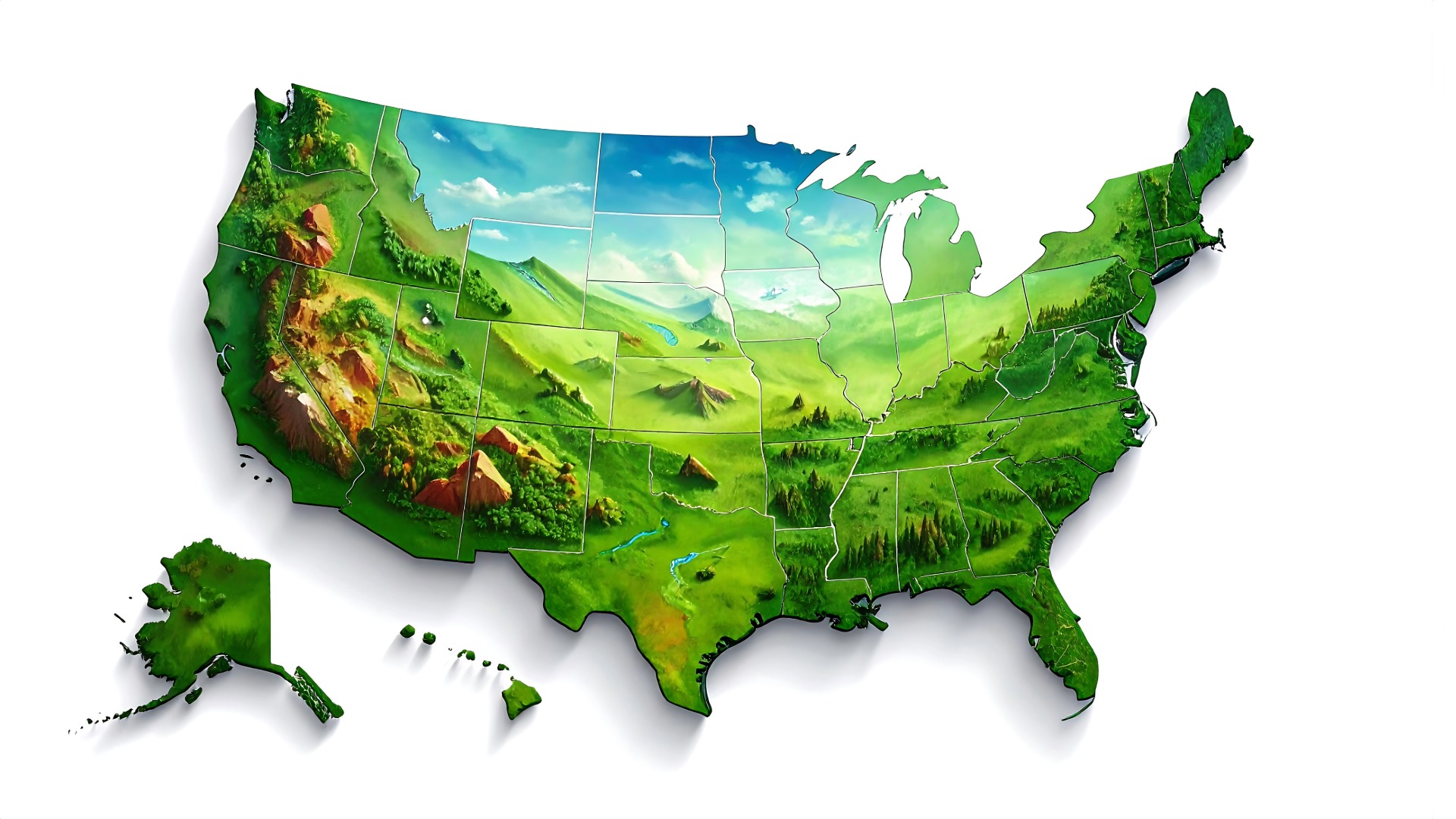
Growing your own produce is one of the easiest ways to save money—especially when you choose crops that thrive in your region.
Southwest (AZ, NM, NV, parts of CA & TX):
- Best picks: peppers, tomatoes, squash, okra, melons.
- Why: Heat‑loving, drought‑tolerant, and high‑yield.
Southeast (FL, GA, AL, SC, MS):
- Best picks: sweet potatoes, cucumbers, eggplant, okra, herbs.
- Why: Thrive in humidity and long growing seasons.
Midwest (MN, IA, WI, IL, OH):
- Best picks: tomatoes, peppers, beans, lettuce, zucchini.
- Why: Reliable producers that handle warm days and cool nights.
Pacific Northwest (WA, OR, ID):
- Best picks: leafy greens, peas, berries, carrots.
- Why: Cooler temps and moisture support tender crops.
Mountain West (CO, UT, WY, MT):
- Best picks: root veggies, kale, chard, hardy herbs.
- Why: Handle cooler nights and shorter seasons.
Southern California & Coastal Zones:
- Best picks: citrus, avocados, tomatoes, peppers, strawberries.
- Why: Mild temps and long seasons = year‑round harvest potential.
Money‑Saving Crops for Every Garden
These crops give you the most bang for your buck:
- Tomatoes – High yield, versatile in recipes, and store well.
- Zucchini – Fast-growing and prolific, great for small spaces.
- Herbs (basil, mint, rosemary) – Low maintenance, continuous harvest, and enhance many dishes.
- Peppers – Long harvest season and add flavor and nutrition.
- Lettuce & greens – Quick to mature, perfect for multiple harvests.
- Green beans – Productive and easy to grow, great for fresh or preserved.
Even a small, raised bed can produce $200–$400 worth of fresh produce in a season, making these crops a smart investment for your garden.
Friendly Farewell & Next Steps
Mid‑summer is the perfect time to refresh your garden routine, try a new crop, or upgrade your tools. Our budget-friendly options are packed with value, designed to help you get the most from your lawn and garden without breaking the bank. Heartland America has everything you need—from raised beds to bug zappers to garden carts—to keep your greenery thriving all season long.
Explore all our Lawn & Garden Essentials at Heartland America, and happy gardening!
Q&A: Common Mid‑Summer Garden Questions
How often should I water my garden in mid‑summer?
Most gardens need 1–1.5 inches per week, more during heat waves.
What’s the easiest vegetable for beginners?
Zucchini, tomatoes, and green beans are nearly foolproof.
How do I keep pests away naturally?
Use mulch, remove standing water, and add solar bug zappers.
Is it too late to plant in July?
Not at all—herbs, lettuce, beans, and cucumbers grow quickly.
How can I save money gardening?
Grow high‑yield crops, use raised beds, and water efficiently with soaker hoses.